
Before You Sign: The Car Title Mistakes That Delay a Donation
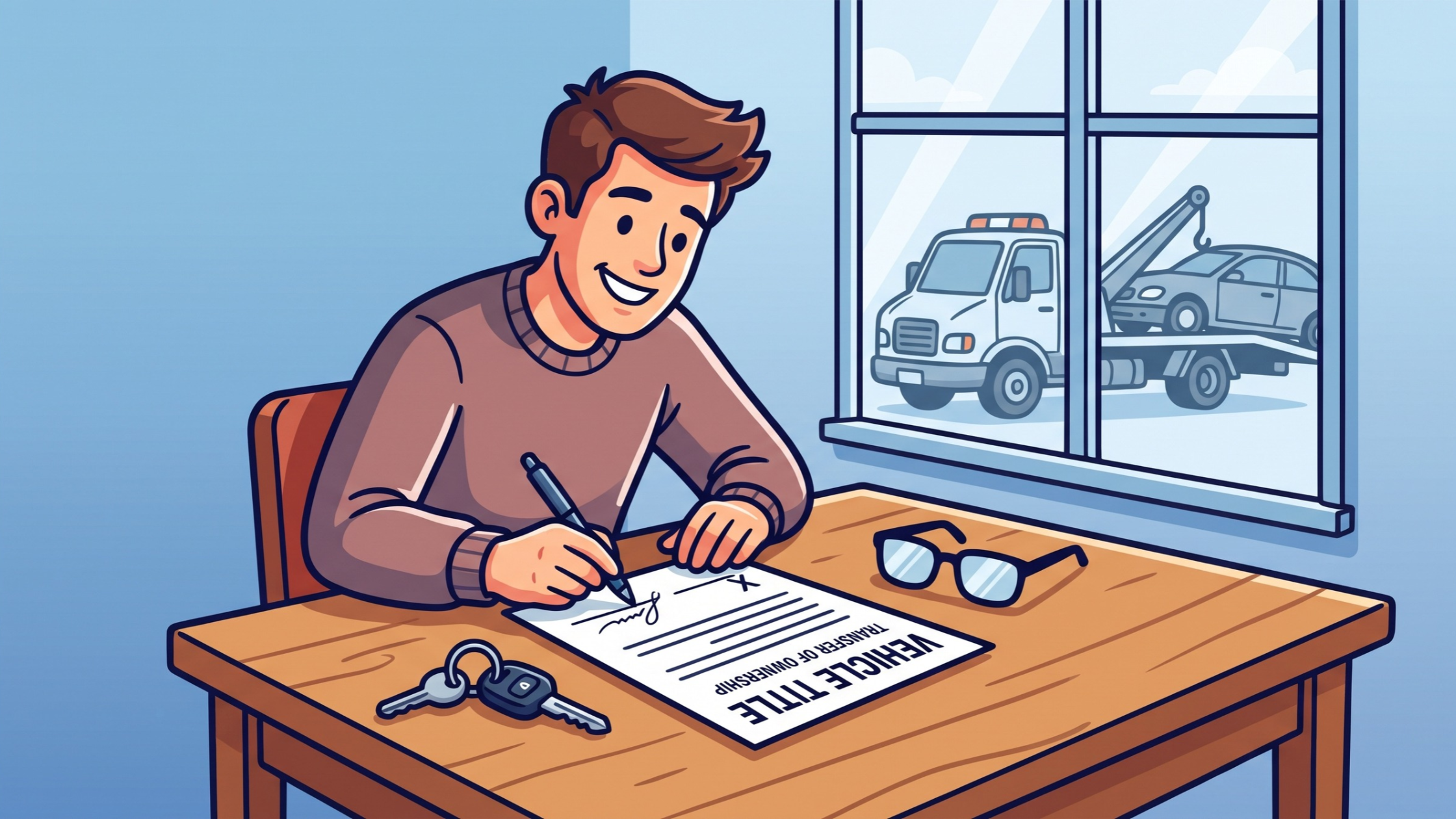
The title is the one document that proves you own the car, and one wrong mark can void it. Every state’s title looks different and deciphering each field can be overwhelming for first-time car donors. Field names, where you sign, and even whether you need a notary all change at the state line. We’re covering the universal rules, the state differences that trip people up most, and where to find a step-by-step video for your state.
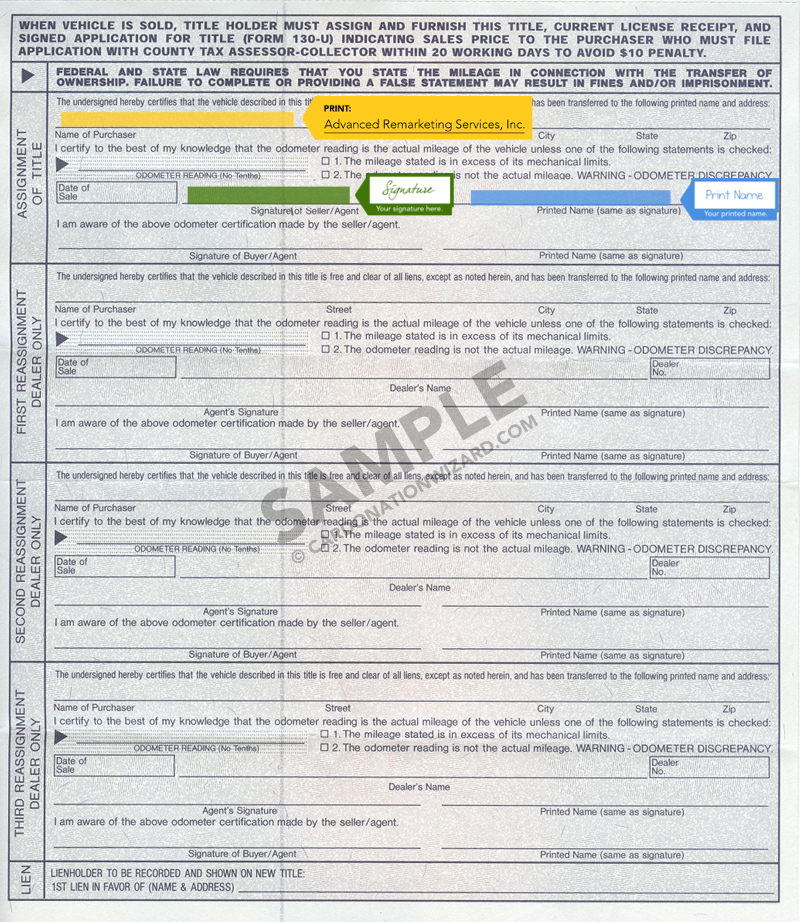
The Universal Rules (They Apply in Every State)
From north to south, Atlantic to Pacific, these rules apply to all vehicle titles:
- Use blue or black ballpoint ink. Some states print it right on the title (West Virginia, South Carolina‘s “dark ink”). Skip pencil, marker, and gel pen as using these can void your title.
- Never correct a mistake. Nearly every title we reviewed says some version of “any alteration or erasure voids this title.” No white-out, no crossing out, no writing over. Call our team before you try to fix anything.
- Match the name on the front exactly. Your signature and printed name should match the owner line, middle initial and suffix included.
- Know the difference between printing and signing. Most states ask for both, in separate fields. Mixing them up is one of the most common errors.
- Leave the buyer and dealer sections alone. Reassignment blocks, purchaser applications, and buyer signatures belong to someone else.
Find Your Transfer Section (Front or Back?)
This is the section on your title where you’ll be filling out your information as the seller. In many states, the transfer section is on the back (California, Pennsylvania, Tennessee, Utah, and many more).
In other states, it’s on the front, and the back sections are reserved for dealers only. Examples: Illinois, Virginia, Wisconsin, and the most current Washington title format. Texas splits their transfer sections: one signature is on the front of the title, and one is on the back.
Our recommendation? Look for headings like “Assignment of Title,” “Transfer by Owner,” or “Assignment of Ownership.” Those are clear indicators that you’re looking at the transfer section of your title.
Does Your State Require a Notary?
Most states don’t, but a handful do, and signing before you’re in front of a notary can force you to start over and have to apply for a duplicate.
These states require signature notarizations on their titles:
Hawaii’s notary signatures are optional, but always double-check with your local DMV, Revenue Office, or Title Clerk to confirm if notarization is required for your title transfer.
Watch the order of operations when you’re notarizing your title. Some states, such as Pennsylvania, won’t notarize until the buyer’s name is filled in. When in doubt, leave the field blank until you are in front of the notary and have them confirm what they need to witness versus what you can fill in on your own before getting their seal and signature.
*Pennsylvania allows an authorized agent to verify instead of a notary, and Wyoming allows the county clerk to witness the signature.
Older Titles, Lost Titles, and States Without Titles
Our title help pages and videos include example title images for you to reference. However, many states have redesigned their titles over the years. If yours doesn’t match an online example, the field names may be different, not wrong. We highly recommend doing a quick online visit to your local title clerk website (don’t trust AI summaries, as they can provide outdated information) to see if they have examples you can reference.
If you’ve lost your title, most states offer a duplicate or substitute that you can apply for. For example, Washington offer’s an Affidavit in Lieu of Title that requires a notary signature but can be used if your Washington state title has been lost or destroyed.
Some states, such as Vermont, may not title older vehicles at all and allow owners to use their current registration. Check with your local title clerk to learn about your state’s rules.
Who’s the Buyer if You’re Donating Your Car?
When you aren’t actually selling the car, it can be tricky knowing whose name to print in the Buyer field of your title. Sometimes it’s the organization you’re donating to, and sometimes it’s the agency the organization is using to process the vehicle donations. The safest bet is to leave those fields blank until your donation team instructs you otherwise.
If you’re donating your vehicle to one of the charities featured on the Car Donation Wizard website, our title experts will give you explicit instructions for who to print as the buyer. You can call our team if you have any questions: 1-877-957-2277.

2001 Honda CR-V Donated to WDET
This week's car donation features a 2001 Honda CR-V that was donated to WDET through the Car Talk Vehicle Donation Program. Car Talk works with local public radio stations across the nation. They ensure that each station gets the most from the proceeds of your...
How to Spot a Car Donation Scam with 3 Easy Questions: WJAR Studio 10 Interview with President & CEO Joe Hearn
Joe Hearn, President and CEO of Advanced Remarketing Services – the power behind Car Donation Wizard – outlines 3 simple question every donor can ask to determine if their vehicle donation is going through a legitimate channel/charity, or if they’re about to be duped by a scam.

2014 Dodge Grand Caravan Donated to The American Cancer Society
Take a look at this month’s vehicle donation shout-out, a 2014 Dodge Grand Caravan. This vehicle was generously donated to the American Cancer Society through the Cars for a Cure Vehicle Donation Program. Donating your car to ACS will help fund lifesaving cancer...

Fueling Futures: How Your Car Donation Helps End Childhood Hunger This School Year
Academic success begins with basic nutrition, yet millions of children face the school year without enough to eat. Learn how donating your unused car, truck, or motorcycle to Feed the Children can turn an idle asset into vital meals, classroom supplies, and hope for students in need.
Transform an Unused Car into Reproductive Healthcare
An unused car sitting in your driveway can drive real change in your community. Learn how donating your vehicle to Planned Parenthood California Central Coast transforms an idle asset into vital healthcare access, sex education, and reproductive rights advocacy across Santa Barbara, San Luis Obispo, and Ventura counties.

World Cancer Support Month is the Perfect Time to Contribute to Cars for a Cure®
Through its work, American Cancer Society implements their core values of integrity, compassion, courage, determination, and diversity. These guiding principles enable American Cancer Society to properly support the many individuals and families affected by cancer through their words, actions, and decisions.
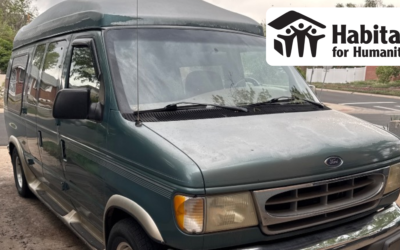
1998 Ford E150 Van Donated to Habitat for Humanity
This month's car donation is a 1998 Ford E150 Van to HFH of Metro Denver through their Cars for Homes Program. Cars for Homes makes it easy for you to donate your car to a good cause. By donating your vehicle to Habitat, you can help build and repair affordable homes...

2005 Mercedes-Benz SL500 Donated to The American Cancer Society
Take a look at this month’s vehicle donation shout-out, a 2005 Mercedes-Benz SL500. This vehicle was generously donated to the American Cancer Society through the Cars for a Cure Vehicle Donation Program. Donating your car to ACS will help fund lifesaving cancer...

Unlocking Opportunity with the Changing and Saving Lives Foundation®
Reliable transportation is more than just a convenience; it is a gateway to employment, healthcare, and education. Through the Changing and Saving Lives Foundation®, the automotive industry is coming together to turn donated vehicles into life-changing opportunities. By contributing to the Keys for Change™ program, donors help provide the essential funding that puts refurbished cars in the hands of veterans and families in need while giving first responders the training they need to save lives.

Your Old Ride Can Steer ALS Research into a New Direction
Facing a diagnosis like ALS requires immense courage and significant resources. Donating a vehicle to the ALS Association transforms an unused car or truck into a powerful tool for progress, providing the critical funding needed for cutting-edge research, multidisciplinary care, and advocacy that supports families in every state.